
New Scholars
New Scholars are defined as either research students, typically doctoral candidates, or post-doctoral researchers whose PhDs have been completed less than three years previously. Researchers without PhDs who have been in an academic post for less than three years also qualify as New Scholars. If you have queries concerning whether you qualify as a New Scholar please contact Vice President, Professor Milena Grass Kleiner.
New Scholars Forum
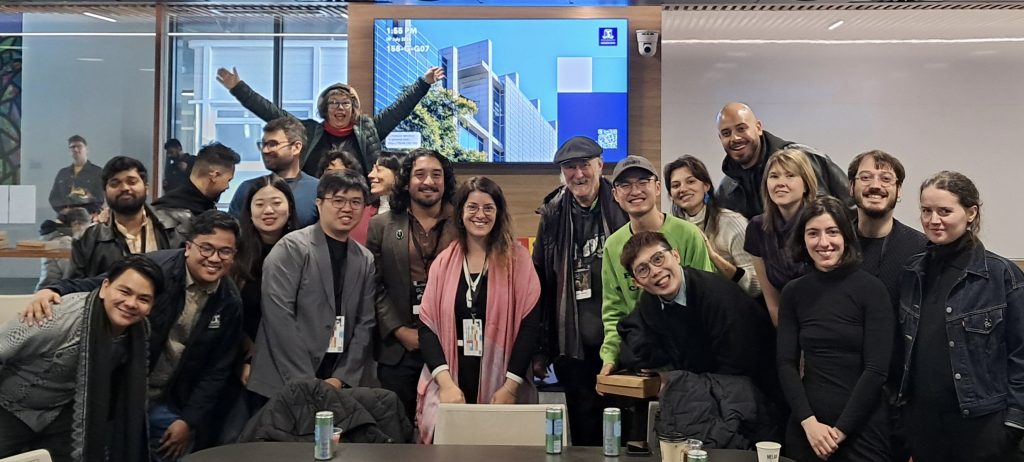
The New Scholars Forum aims to give new scholars and especially doctoral students an opportunity to present their research in a supportive environment that also encourages lively debate. To this end, forum sessions will be chaired by an experienced academic and scheduled to avoid overlap with general conference panels so that all delegates can attend. The Forum also provides an excellent opportunity to make contacts with other new scholars.
Guidelines for submitting an abstract to the New Scholars Forum:
Testimonials
Attending the IFTR conference in Cologne was an uplifting and welcoming experience as a new scholar. I felt encouraged to share my research in a space where curiosity and generosity were at the heart of every exchange. The conference gave me not only insightful feedback but also a sense of belonging to an international community of scholars who care deeply about dialogue and collaboration. I came away inspired, with new friendships and transformative ideas that continue to enrich my research.
Zoe Zhang, PhD student, Central School of Speech and Drama , University of London
On June 9, 2025, I became a part of the vast ensemble of scholars that is IFTR, stepping into the New Scholars’ Forum for the first time. I listened to seasoned thinkers and fellow new scholars, encountered some intriguing artists, wandered through diverse working groups and panels, and found myself presenting my own research before a community that was immensely welcoming. I am especially grateful for getting a chance to present my research at the wonderfully curated NSF panel on Politics of Representation and audit the working group on Performance and Migration as it truly opened a new way to approach my broader research interests.
Jahnvi Sharma, Master’s in Performance Studies at the School of Culture and Creative Expressions, AUD Delhi
Attending IFTR in Cologne was a wonderful opportunity for early-career scholars to share their work in a supportive and encouraging environment. The New Scholars Forum offered a space where the pressure felt much lighter than in the general panels. This allowed me to present with more confidence and to engage in a genuine exchange with other PhD students and more senior scholars. I also had the opportunity to connect with peers at a similar stage in their careers, which made the experience even more rewarding.
Shuangting Chen, PhD student, School of Creative Arts, Performance and Visual Cultures, University of Warwick